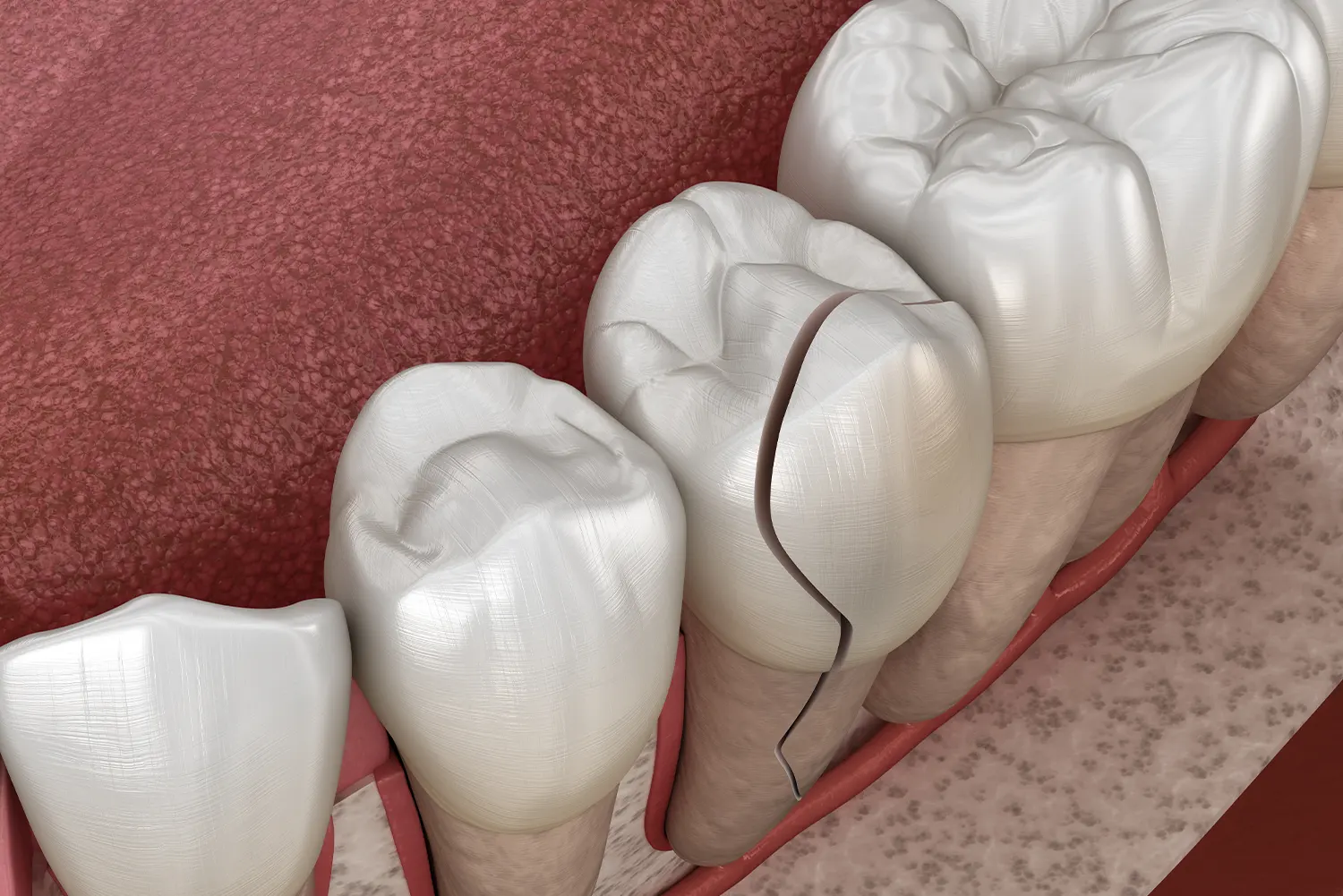
Broke a Tooth? Here’s Why Saving Your Natural Tooth Is Often the Best Option
Breaking a tooth can feel scary. Many patients call our office worried that the damage means the tooth will have to be removed. If you’ve ever experienced that sudden crack while chewing or noticed a piece of your tooth missing, you know how unsettling it can be.
At The Smile Garden of East Windsor in Windsor, CO, we understand that dental emergencies bring a lot of questions and anxiety. The good news is that a broken tooth doesn’t automatically mean it needs to be extracted. In many cases, we can successfully save it.
Dr. Garfinkle and our team take a thoughtful, comprehensive approach when evaluating damaged teeth. Our goal is always the same: if it’s possible to save your natural tooth, we want to help you keep it.
Let’s walk through how we evaluate broken teeth, why preserving natural teeth is so important, and what your options may be if you ever find yourself in this situation.
What Happens When You Break a Tooth?
Tooth fractures can happen in many ways. Sometimes it’s biting into something hard like ice or a popcorn kernel. Other times, a tooth that has been weakened by decay or a large filling simply gives way during normal chewing.
When patients come into our Windsor dental office with a broken tooth, the first thing we want to do is understand exactly what happened and assess the condition of the tooth.
A fracture can range from something minor—like a chipped edge—to something more serious that affects the nerve or extends below the gumline. The treatment we recommend depends on several important factors.
That’s why we always take the time to perform a detailed evaluation before making any decisions.
How We Evaluate a Broken Tooth
When someone comes to The Smile Garden of East Windsor with a damaged tooth, we don’t just glance at the tooth and make a quick judgment. Instead, we look carefully at several aspects of the tooth and the surrounding area.
Examining the Tooth Itself
The first step is evaluating the tooth’s structure and health. Some of the questions we ask include:
- How much of the tooth structure is still intact?
- Is there a large filling already present?
- Is there any active decay?
- Has the nerve inside the tooth been affected?
- Does the fracture extend below the gumline or into the bone?
These details help us determine whether the tooth can be repaired and what type of treatment might work best.
For example, a tooth that has lost a small portion of its structure may only need a filling or crown. But if the fracture goes deeper into the tooth, more advanced treatment may be required.
Looking at the Bigger Picture: Your Whole Mouth
While we always focus on the damaged tooth, we also look at the overall health of your mouth.
That includes evaluating:
- The teeth next to the damaged tooth
- The teeth above it that bite against it
- Your bite alignment
- The condition of your gums and bone
- The overall health of your remaining teeth
Why does this matter?
Because sometimes repairing a single tooth doesn’t make sense if the surrounding teeth have significant issues as well. In those cases, we may need to talk about the bigger picture of your dental health and create a more comprehensive treatment plan.
But when the rest of your teeth are healthy, saving that broken tooth can be an excellent option.
Why Saving Your Natural Tooth Is Usually the Best Choice
At our Windsor, CO dental practice, preserving your natural teeth is always our first priority whenever possible.
There are several important reasons why.
Your Body Already Accepts Your Natural Tooth
Your natural teeth are already a part of your body. Your immune system recognizes them, your bone supports them, and your bite is designed to work with them.
When we replace a missing tooth with something like a dental implant, the body must accept a foreign object. Dental implants are highly successful, but they still require surgery and healing time.
If we can save your natural tooth, we can often avoid those additional procedures.
Natural Teeth Function Better
Your natural teeth are incredibly well-designed. They provide the best:
- Chewing efficiency
- Bite balance
- Sensory feedback when chewing
- Alignment with surrounding teeth
Even the most advanced dental restorations aim to mimic natural teeth—but nothing truly replaces them.
Keeping your natural tooth helps maintain the stability and function of your entire mouth.
Saving a Tooth Often Prevents More Complex Procedures
If a tooth has to be removed, we also need to think about how to replace it.
When a tooth is extracted, options may include:
- Dental implants
- Dental bridges
- Partial dentures
Each of these treatments can be effective, but they involve additional time, procedures, and cost.
Whenever we can repair a tooth instead, we often help patients avoid these more extensive treatments.
Advanced Imaging Helps Us Make the Right Decision
Modern dental technology plays an important role in diagnosing and treating broken teeth.
At The Smile Garden of East Windsor, we use several types of imaging to fully evaluate a damaged tooth.
2D Dental X-Rays
Traditional dental X-rays allow us to see what’s happening inside the tooth.
They help us identify:
- Cavities or decay
- The depth of damage
- How close the fracture is to the nerve
- Existing restorations beneath the surface
This information helps us determine whether the tooth’s nerve is still healthy.
3D Imaging for a More Complete View
In some situations, we also use 3D imaging technology.
Three-dimensional scans allow us to examine:
- Bone levels around the tooth
- Root structure
- Hidden fractures
- Signs of infection
This detailed view helps us understand the full picture before recommending treatment.
Intraoral Photos: Letting You See What We See
We also take intraoral photographs of your tooth.
These high-resolution images allow us to display your tooth on a large screen so you can see exactly what we’re seeing.
We believe that patients should feel informed and involved in their care. When you can visually understand what’s happening with your tooth, it becomes much easier to discuss treatment options together.
At our practice, we make decisions as a team—you and us working together.
A Real Example: Saving a Broken Tooth
Recently, we had a patient call our office late on a Friday afternoon.
It was around 4:00 p.m., and he said, “Oh no—I broke a tooth. I think I might have to take it out.”
Like many patients, he assumed the worst.
When he arrived at The Smile Garden of East Windsor, we performed a complete evaluation. We took:
- A 2D dental X-ray
- A 3D image
- An intraoral photo so he could see the damage himself
After reviewing all the images together, we discovered something encouraging.
Yes, the tooth was broken—but:
- The fracture had not reached the nerve
- The break did not extend below the bone
That meant the tooth could be repaired.
Instead of extracting the tooth, Dr. Garfinkle placed a dental crown to restore its strength and function.
Now that patient still has his natural tooth—and he can chew comfortably again.
Stories like this are why we always take the time to evaluate broken teeth carefully. What may seem like a lost cause can often be saved.
When a Tooth Cannot Be Saved
While we always aim to preserve natural teeth, there are situations where extraction may be necessary.
This might happen when:
- A fracture extends deep below the gumline
- Severe decay has destroyed most of the tooth
- The tooth cannot be structurally restored
- Infection has significantly damaged the surrounding bone
If we determine that extraction is the best option, we’ll talk through the next steps carefully and make sure you understand all your options.
Why Replacing Missing Teeth Matters
If a tooth must be removed, it’s important to replace it whenever possible.
Many people think they can simply live without a tooth—especially if it’s toward the back of the mouth. But missing teeth can lead to several long-term problems.
Your teeth work as a team. Each one helps support the others.
When a tooth is missing:
- Nearby teeth can begin to shift into the empty space
- Opposing teeth may move out of position
- Your bite may become uneven
- Jawbone loss can occur over time
These changes can lead to additional dental issues down the road.
That’s why we always discuss replacement options such as dental implants or bridges if a tooth must be removed.
Preventing Tooth Damage in the First Place
While modern dentistry offers many ways to repair damaged teeth, prevention is always the best approach.
Fortunately, protecting your teeth doesn’t require complicated routines.
Daily Habits That Keep Teeth Healthy
Simple daily habits make a huge difference:
- Brush twice a day
- Floss every day
- Limit sugary snacks and drinks
- Avoid chewing on ice or hard objects
These small actions create long-term protection for your teeth.
Regular Dental Visits Are Essential
Routine dental visits allow us to catch problems early—often before they become painful or serious.
At The Smile Garden of East Windsor, regular checkups help us:
- Identify early signs of decay
- Monitor existing dental work
- Clean areas that are difficult to reach at home
- Provide preventive treatments
Preventive care can often stop small issues from turning into larger ones.
Remember: You Only Get One Set of Permanent Teeth
One of the things Dr. Garfinkle often reminds patients is that we only get one set of permanent teeth.
Unlike some animals, humans can’t regrow teeth once they’re gone.
Dr. Garfinkle recently shared this lesson with her own five-year-old, who has started losing his baby teeth. As his adult teeth begin coming in, she’s already emphasizing how important it is to take care of them.
Once your permanent teeth arrive, they’re meant to last a lifetime.
That’s why protecting them—and saving them whenever possible—is so important.
What to Do If You Break a Tooth
If you ever think you’ve broken a tooth, the most important thing is to contact your dentist as soon as possible.
Early evaluation can make a big difference in whether the tooth can be saved.
If this happens to you:
- Call our office right away.
- Avoid chewing on the damaged tooth.
- Keep the area clean.
- Seek professional evaluation promptly.
The sooner we examine the tooth, the more options we may have for repairing it.
Compassionate Dental Care in Windsor, CO
At The Smile Garden of East Windsor, we believe dentistry should feel collaborative, supportive, and informative.
Whether you’re dealing with a broken tooth, dental pain, or simply want to maintain a healthy smile, Dr. Garfinkle and our team are here to help.
Our goal is always to:
- Preserve your natural teeth whenever possible
- Provide clear explanations of your options
- Help you feel comfortable and confident in your care
If you’re experiencing a dental emergency or are concerned about a damaged tooth, we encourage you to reach out.
📞 Call The Smile Garden of East Windsor at (970) 460-8725 to schedule an appointment with Dr. Garfinkle in Windsor, CO.
Together, we’ll evaluate your tooth, discuss your options, and create the best plan to keep your smile healthy for years to come.
Related Posts
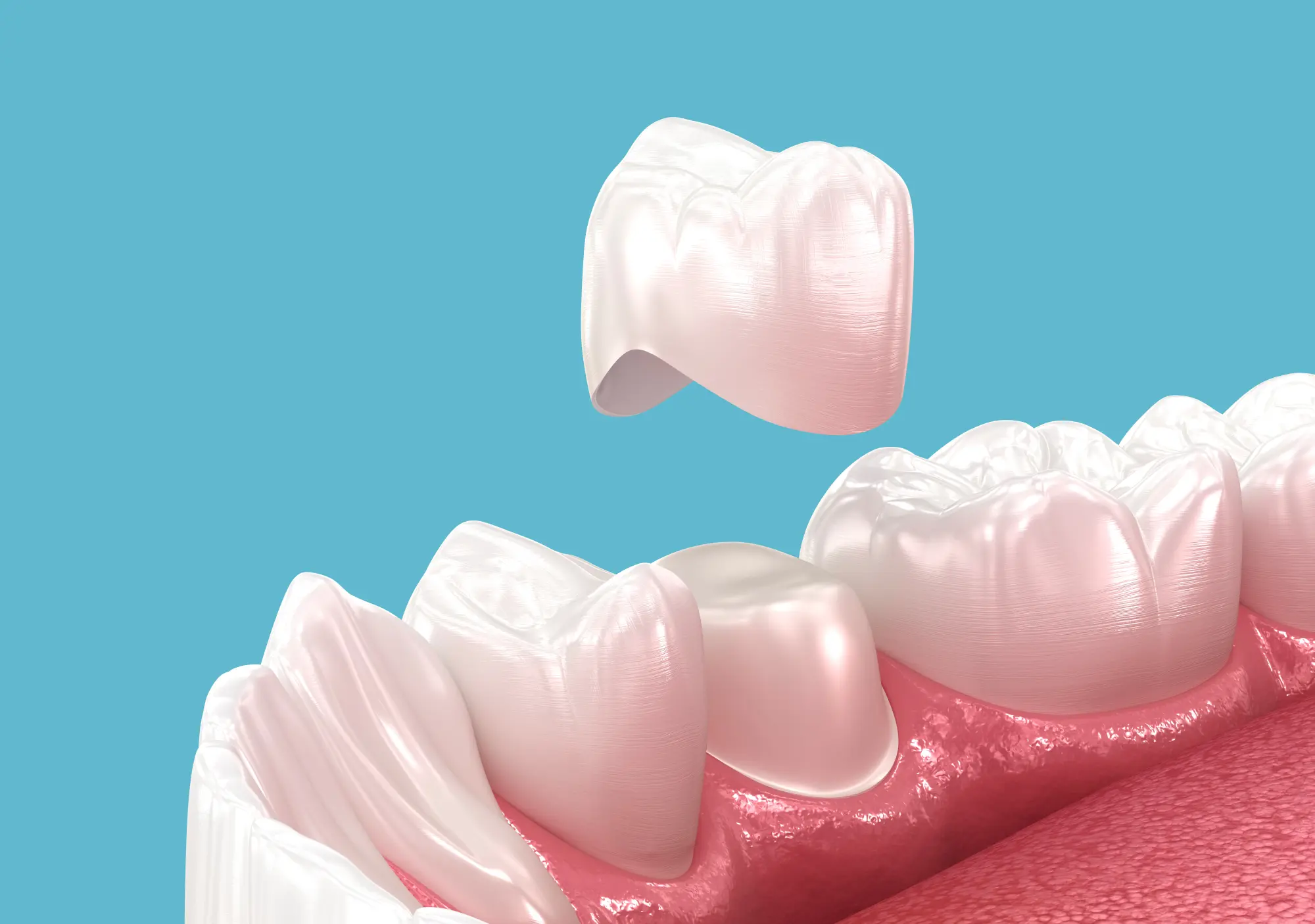
Crown material guide: Ceramic crowns for your Windsor smile
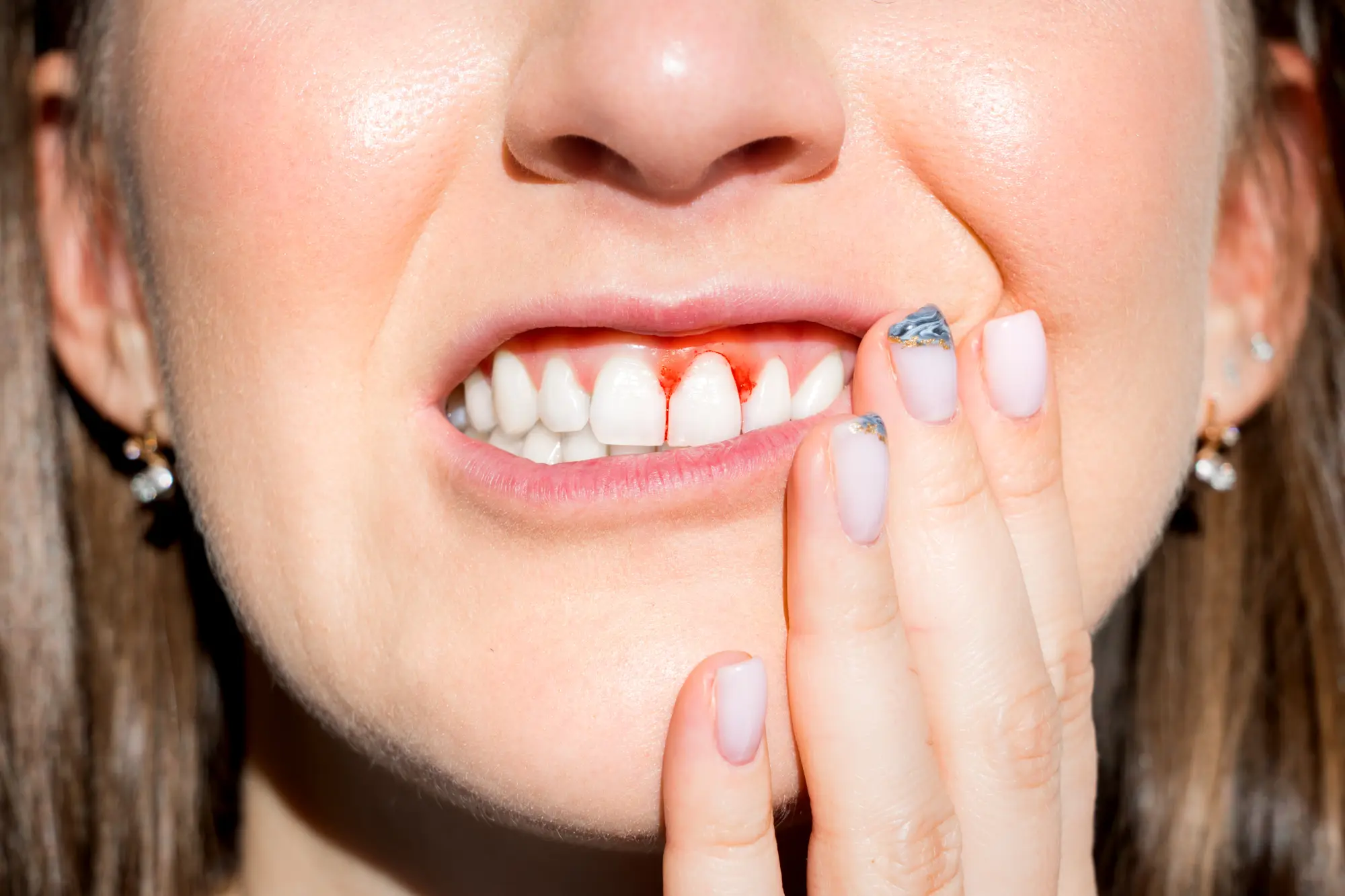
Can Periodontal Disease Be Reversed, or Only Managed? Find Out How to Restore Your Oral Health
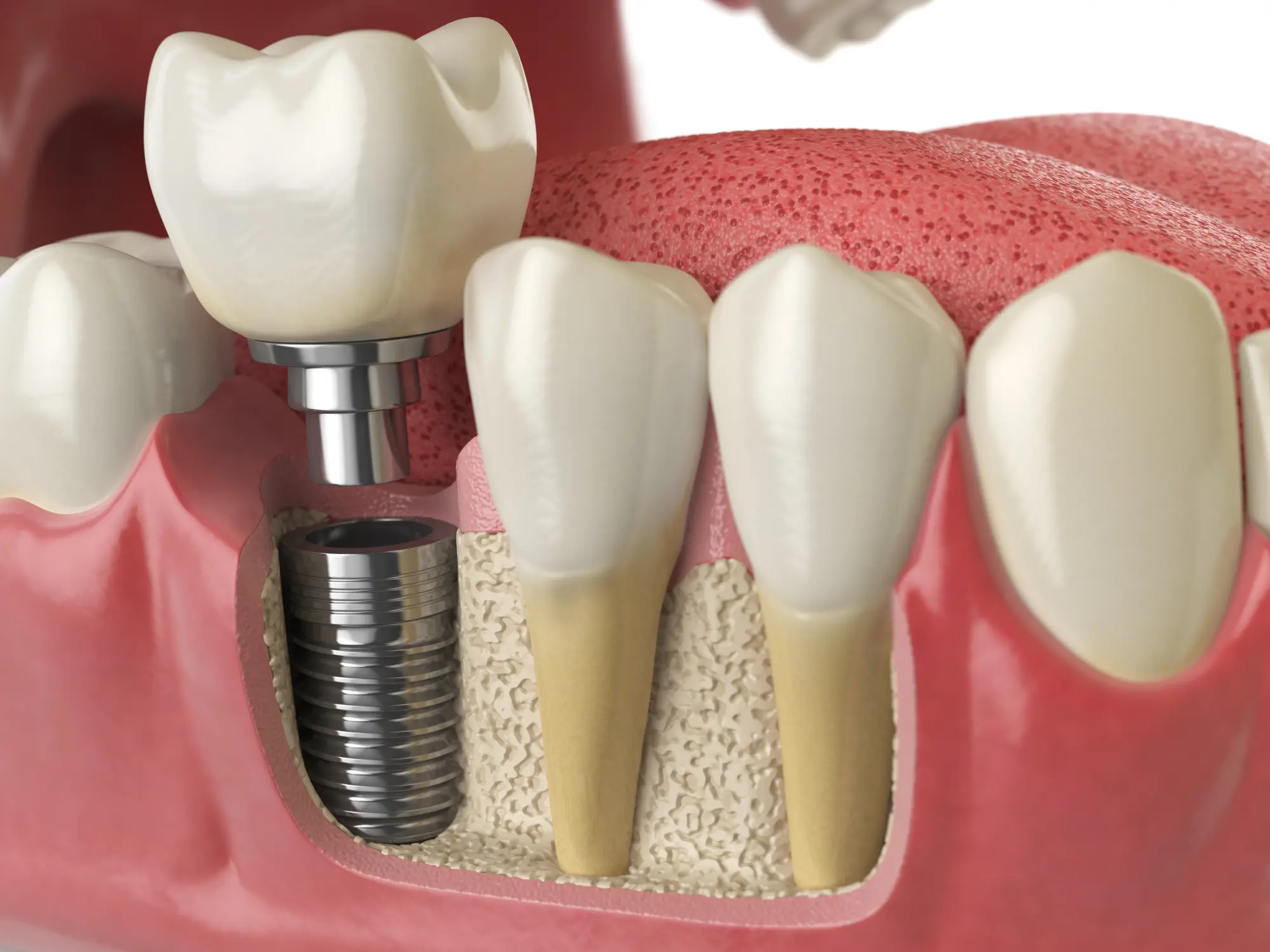
Rooted in Confidence: Why Dental Implants Are the Permanent Foundation Your Smile Deserves