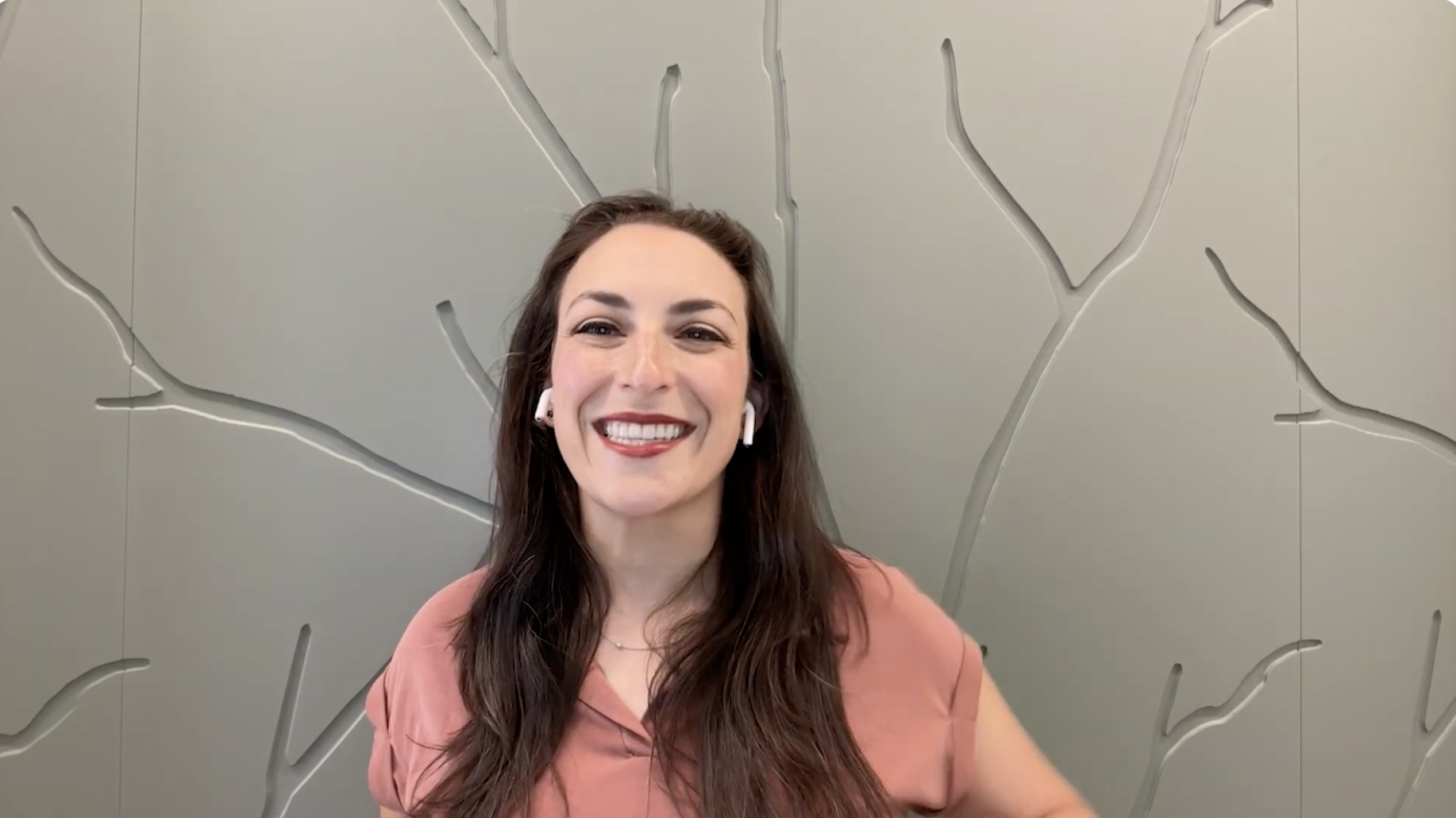
The Complete Guide to Dental Bridges: Restoring Your Smile Without Surgery
How Dr. Arielle Garfinkle at The Smile Garden of East Windsor can help you reclaim your confidence and chewing ability.
The Hidden Weight of a Missing Tooth
We see it happen all the time. A patient walks into our office in Windsor, CO, and they are holding something back. It isn’t just a secret; it’s a smile.
When you have a missing tooth, it changes the way you interact with the world. You might find yourself covering your mouth when you laugh, smiling with your lips tight and closed in family photos, or avoiding certain social situations altogether. You don't realize that you are holding down your smile—and your personality—because of that one missing space.
But beyond the cosmetics, there is a functional cost. You might be favoring one side of your mouth when you eat, missing out on your favorite foods, or dealing with the discomfort of shifting teeth.
At The Smile Garden of East Windsor, we believe that no one should have to live with that hesitation. Led by Dr. Arielle Garfinkle—or as most of our patients call her, Dr. Ari—our mission is to provide a space that is relaxing, welcoming, and focused on the "whole person," not just a set of teeth.
Dr. Ari founded The Smile Garden after nine years in the dental field because she wanted to create an environment where we could talk to patients about how their dental health connects to their overall health. Replacing a missing tooth is a huge part of that connection.
In this comprehensive guide, we are going to explore one of the most effective, time-tested, and non-surgical solutions we offer: the Dental Bridge. If you have been living with a gap in your smile and aren't sure if you are ready for surgery, this might be the perfect solution for you.
Part I: What Exactly is a Dental Bridge?
If you are new to the world of restorative dentistry, the terminology can sometimes be confusing. You might have heard of implants, bridges, partials, and flippers. So, let’s break down exactly what a dental bridge is.
Dr. Ari likes to explain it using a simple analogy: think of a bridge over a river. To build a bridge, you need stable land on both sides to support the structure that spans the water.
A dental bridge works the exact same way. It is a fixed dental restoration used to replace one or more missing teeth by joining an artificial tooth definitively to adjacent teeth or dental implants.
The Structure of a Bridge
When we design a bridge at The Smile Garden, we are usually looking at a unit made of three (or more) connected crowns:
- The Anchors: We place crowns on the healthy teeth residing on either side of the gap.
- The Pontic: This is the "fake" tooth located in the middle. It is fused to the anchor crowns and sits gently on top of the gums, filling the empty space.
Fixed vs. Removable
One of the most common questions we get is, "Do I have to take it out at night?"
The answer is no. Unlike a "flipper" or a removable partial denture, a dental bridge is a permanent option. It is cemented onto your natural teeth. It stays in when you eat, when you sleep, and when you brush your teeth.
For many of our patients, this is a game-changer. They love the feeling of security that comes with a restoration that doesn't wiggle, doesn't need to be soaked in a glass overnight, and feels like a natural part of their mouth. It gives you the opportunity to chew in a spot that you weren't necessarily able to before, restoring function immediately after placement.
Part II: The Great Debate — Implants vs. Bridges
If you are missing a tooth, you generally have two primary permanent options: a dental implant or a dental bridge. How do you know which one is right for you?
At The Smile Garden, we start every consultation by looking at your medical history and your specific anatomy. Dr. Ari believes in transparency and giving you all the information you need to make the choice that fits your lifestyle.
Here is how we compare the two:
1. The Timeline: Slow Cooker vs. The Microwave
Dr. Ari has a great way of describing the difference in timing between these two procedures.
- Dental Implants are "Slow Cooker Dentistry."
An implant is a surgical procedure where a titanium post is placed into your jawbone. Because it needs to fuse with the bone (a process called osseointegration), it is a longer journey. You really want to let that dental implant sit in the bone and fuse for about four months before we can put a crown on it. It is an excellent, sturdy option, but it requires patience. - Dental Bridges are the "Fast Track."
If you have a wedding coming up, a graduation, or you simply don't want to wait half a year to chew normally again, a bridge is a much faster way to replace that tooth. From the moment we prepare the teeth to the moment you get your final bridge, the process usually takes only about two weeks.
2. The "Surgery" Factor
Not everyone is a candidate for surgery, and not everyone wants surgery.
To place an implant, we must have enough bone density in the jaw to hold the screw. If you have been missing a tooth for a long time, your bone may have shrunk (atrophied), making implants difficult or impossible without complex bone grafting procedures.
A bridge, however, does not require surgery. It relies on the strength of the neighboring teeth. If the teeth on either side of the missing space are healthy and can withstand a crown, a bridge is a fantastic way to skip the surgical suite entirely.
3. Candidacy and Anatomy
We look closely at the neighboring teeth. If those teeth are "virgin" teeth (meaning they have no fillings or decay), we might hesitate to shave them down for a bridge, leaning toward an implant to preserve natural tooth structure. However, if those neighboring teeth already have large fillings or need crowns anyway, a bridge kills two birds with one stone: it repairs the damaged teeth and fills the gap.
Part III: Real-Life Transformation — The Case of the Lower Canine
To truly understand the impact of a bridge, it helps to look at a real-life example from our practice here in Windsor.
Dr. Ari has been practicing dentistry for over nine years, and she recalls one patient who had been missing her lower canine tooth for a very, very long time.
The Challenge
The lower canine is a crucial tooth for your smile and your bite. Because this patient had been missing the tooth for years, the bone in that area had shrunk significantly. It had become narrow and thin—a very common occurrence when a tooth is lost and the jawbone is no longer stimulated by chewing forces.
Because of this bone loss, she was no longer a candidate for a dental implant. She thought she was out of options.
The Solution
Dr. Ari suggested a dental bridge. We designed a custom bridge that anchored to the teeth surrounding the gap.
The Result
The transformation was emotional for everyone involved.
- Cosmetics: We matched the shade perfectly to her existing teeth. She loved that when she smiled, she no longer saw that dark, missing space. She felt great about how she looked in pictures for the first time in years.
- Function: This was the surprise benefit. The patient gained chewing abilities she wasn't expecting. She felt she could finally chew on that side of her mouth again.
It wasn't just about filling a hole; it was about giving her back the freedom to eat and smile without thinking twice.
Part IV: The Smile Garden Experience — What to Expect
We know that for many people, the dentist is not their favorite place to be. We get it. That is why Dr. Ari started The Smile Garden—to create a space with a more relaxing feel.
When you come in for a bridge, here is what the process looks like, step-by-step.
Step 1: The Comfort-First Anesthetic
We know that the "shot" is the part most people dread. Dr. Ari takes this very seriously.
"I know that shot can really hurt," Dr. Ari says, "so I really want to go slow with it."
We don't rush through the anesthetic. We take our time to ensure the solution is delivered slowly, which reduces the "burn." We also monitor you closely to make sure your heart isn't racing—a common side effect of epinephrine in anesthetics. We check in constantly: Are you comfortable? Do you know what is going on? Do you feel ready?
Step 2: Preparation and Impression
Once you are completely numb and comfortable, we prepare the teeth on either side of the gap. We take down just enough tooth structure to create space for the crowns to fit over them naturally.
Then comes the artistry. We take a scan or an impression of your teeth.
- Shape Matching: We make sure to get a clear image of the teeth on the other side of your mouth (the contralateral side). We want the new bridge to mirror the shape of your natural teeth so your smile looks symmetrical and even.
- Shade Matching: We look at color options together. We show you different shades to ensure the bridge blends seamlessly with your natural smile. We don't want people to notice your dental work; we want them to notice your smile.
Step 3: The Temporary
You won't leave our office with a gap! We will fabricate a temporary bridge for you to wear for about two weeks. This protects your teeth and allows you to "test drive" the feel of the bridge while the dental lab crafts your permanent restoration.
Step 4: The Reveal
Two weeks later, you return to our Windsor office. We remove the temporary and cement the permanent bridge. This is the exciting moment when patients look in the mirror and realize they don't have to take this tooth out—it's there to stay.
Part V: Caring for Your Bridge (It’s Easier Than You Think!)
Once your bridge is placed, taking care of it is vital to its longevity.
Remember, the teeth holding the bridge in place (the anchors) are still natural teeth underneath the crowns. They can still get cavities if plaque is allowed to build up around the gum line. If an anchor tooth fails, the whole bridge fails.
The Secret Weapon: Super Floss
You can't floss between the teeth of a bridge because they are connected. Instead, we teach you how to clean under it.
A great way to care for a bridge is to use floss threaders or Super Floss.
- Floss Threaders: These look like little plastic needles that help you guide regular floss underneath the fake tooth (the pontic).
- Super Floss: This is a pre-cut strand of floss with a stiff end for threading and a spongy middle part that grabs plaque.
You thread the floss under the bridge, just like threading a needle, and sweep it back and forth to clean the gum tissue and the sides of the anchor teeth. It takes an extra minute a day, but it is the best insurance policy for your new smile.
Part VI: Why Wait? The Emotional Freedom of a Full Smile
If you have been living with a missing tooth, you might have adapted to it. You might chew on the other side. You might have learned to smile with your mouth closed.
But as Dr. Ari says, "I see a lot of times that patients have a missing tooth and they kind of hide their smile... they don't realize that they're holding down their smile because of a missing tooth."
Restoring that tooth does more than help you chew steak or salad again. It gives you the freedom to express your emotions. It allows you to laugh at a joke without covering your face. It allows you to greet a friend with a wide, genuine grin.
Whether you choose a partial, an implant, or a bridge, the most important thing is that you know your options.
Ready to restore your smile?
At The Smile Garden of East Windsor, we are here to listen. We aren't going to rush you into a procedure you aren't comfortable with. We want to hear how you are feeling, understand your goals, and help you decide if a dental bridge is the right solution for you.
If you are in the Windsor, CO area and are ready to stop hiding your smile, give us a call at (970) 460-8725 to schedule a consultation. Let’s talk about how we can get you out of "slow cooker" mode and into a beautiful, permanent smile in just a few weeks.
Let’s grow your healthiest smile together.
Related Posts
Crown material guide: Ceramic crowns for your Windsor smile
Can Periodontal Disease Be Reversed, or Only Managed? Find Out How to Restore Your Oral Health
Rooted in Confidence: Why Dental Implants Are the Permanent Foundation Your Smile Deserves