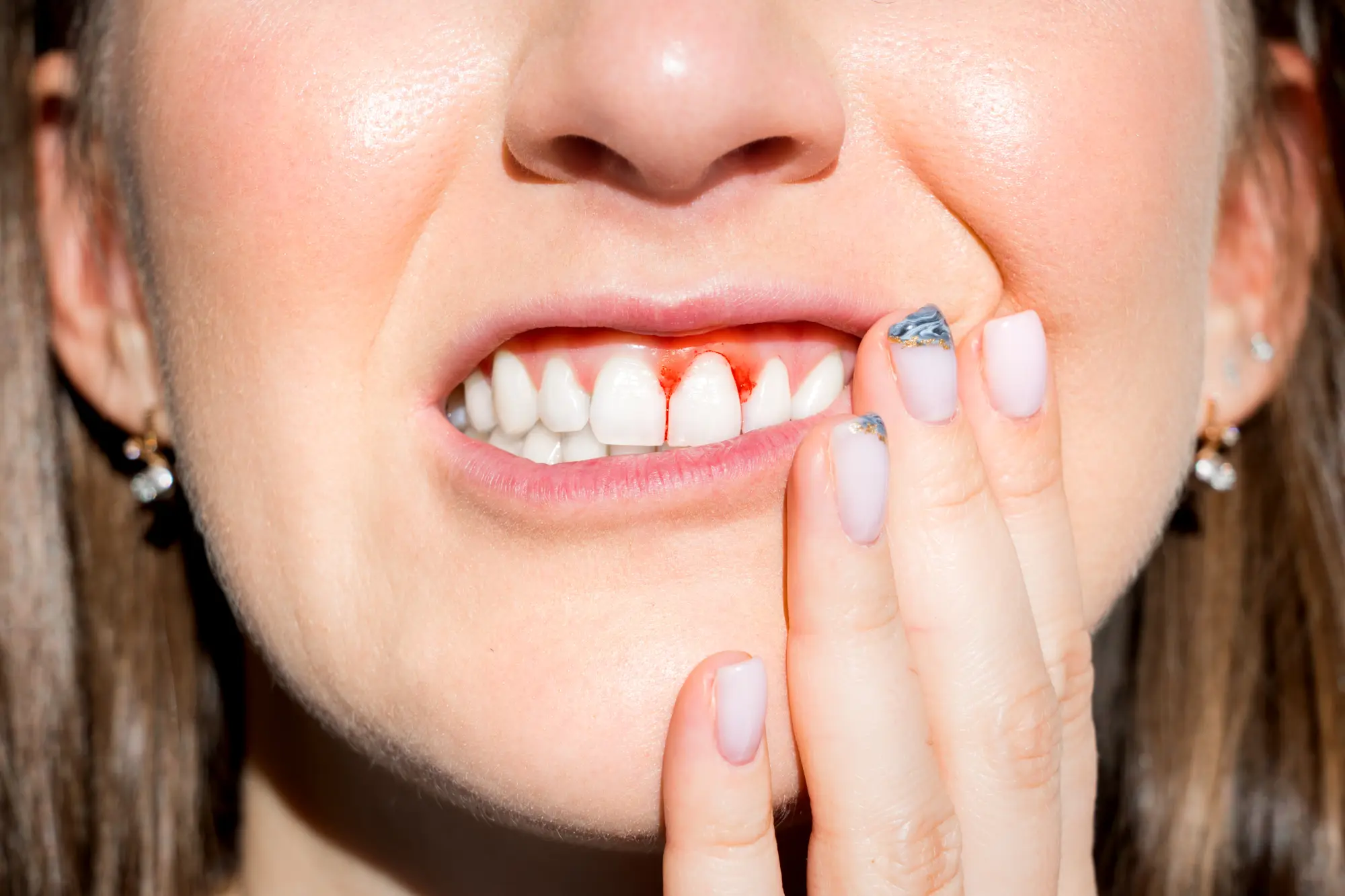
Can Periodontal Disease Be Reversed, or Only Managed? Find Out How to Restore Your Oral Health
Does caring for your gums feel like an uphill battle? If swollen, bleeding gums or persistent bad breath have left you questioning the health of your smile, you're not alone. Many people wonder, “Can periodontal disease ever really be reversed, or is it something I’ll manage forever?”
At The Smile Garden of East Windsor, we believe that understanding your oral health can be empowering, and we're here to guide you every step of the way. Let’s explore whether reversing this condition is possible, how it can be managed effectively, and what you can do to restore the health of your smile and overall well-being.
What Is Periodontal Disease, and Why Does It Matter?
Periodontal disease, often referred to as gum disease, is a progressive infection of the tissues that support your teeth. It begins with gingivitis, characterized by inflamed, tender gums, and can advance to periodontitis if left untreated, potentially leading to bone loss and even tooth loss.
The implications go beyond your smile, however. Studies have linked periodontal disease to broader health conditions such as heart disease, diabetes, and complications during pregnancy, underscoring the essential connection between oral health and whole-body wellness.
How Periodontal Disease Starts
- Bacteria in dental plaque accumulate around the gumline.
- Unchecked buildup leads to gum inflammation, often seen as redness and bleeding after brushing or flossing.
- Without intervention, the infection spreads below the gumline, affecting tissues and bone that support teeth.
Symptoms Worth Noticing
If you’ve noticed any of these signs, it may be time to take action:
- Persistent bad breath
- Sore, swollen, or bleeding gums
- Receding gums or “longer-looking” teeth
- Pain while chewing
- Loose or shifting teeth
Can Periodontal Disease Be Reversed?
Here’s the good news! In its earliest stages (gingivitis), periodontal disease is often reversible because the infection hasn’t yet damaged deeper supporting tissues and bone. With the right oral care routine, professional cleanings, and lifestyle changes, you can restore gum health and completely prevent further progression of the disease.
When It's Manageable but Not Fully Reversible
If untreated gingivitis progresses to periodontitis, the damage to bone and soft tissues becomes permanent. However, this doesn’t mean you can’t achieve a healthier, more stable outcome. Modern dentistry can halt the progression, protect your remaining oral structures, and manage symptoms so you can maintain a comfortable, functional smile over the long term.
Steps to Reverse or Manage Periodontal Disease
- Professional Evaluation: Regular dental visits allow your care team to assess gum health and design a customized treatment plan tailored to your needs.
- Deep Cleaning (Scaling and Root Planing): This treatment removes plaque and tartar from beneath the gumline, allowing gums to heal and reattach to teeth.
- Daily Home Care: Brushing twice daily and flossing once a day are non-negotiable habits for maintaining gum health.
- Mouth Rinses: Antibacterial or antimicrobial mouthwashes can reduce bacteria levels.
- Address Contributing Factors: Smoking cessation, managing systemic health conditions, and improving your diet support better outcomes.
Whole-Body Wellness Starts with Holistic Dentistry
At The Smile Garden of East Windsor, we embrace a holistic, whole-health approach to dentistry because we understand the connections between oral wellness and overall health.
From offering nutritional guidance to reinforcing the link between stress management and gum health, our focus is on empowering you to thrive. Plus, our relaxing, spa-like environment helps you feel calm and cared for during every visit, because better dental health starts with comfort.
Frequently Asked Questions About Periodontal Disease
How can I prevent periodontal disease from returning after treatment?
Daily home care is key. Brush with fluoridated toothpaste, floss to remove hidden plaque, and consider using an oral irrigator for deep cleaning between visits. Regular professional cleanings are also vital to maintaining progress.
Can genetics play a role in gum disease?
Yes, some people are genetically predisposed to gum issues. However, a proactive approach to oral care and lifestyle adjustments can significantly offset genetic risk factors.
Does stress impact gum health?
Absolutely. Chronic stress can compromise your immune response, making you more susceptible to infections, including periodontal disease. Managing stress through activities like yoga or breathing exercises can improve both oral and whole-body health.
How does my diet influence gum health?
A poor diet lacking in nutrients can weaken your immune defenses and affect gum health. Incorporate nutrient-rich options like leafy greens, citrus fruits, and nuts into your meals to support strong gums and teeth.
Take Control of Your Gum Health with The Smile Garden of East Windsor
Gum health plays a critical role in achieving your overall wellness goals, and taking actionable steps now can make all the difference. Whether you’re aiming to reverse early-stage gingivitis or manage advanced periodontitis, The Smile Garden of East Windsor offers compassionate, judgment-free care tailored specifically to your oral health needs.
With Dr. Arielle Garfinkle’s patient-first approach and our unique focus on holistic wellness, you don’t have to face periodontal concerns alone. Ready to restore balance to your oral and overall health? Call us at (970) 460-8725 or book your appointment online to take the first step. Your smile, and your well-being, are worth it.
Related Posts
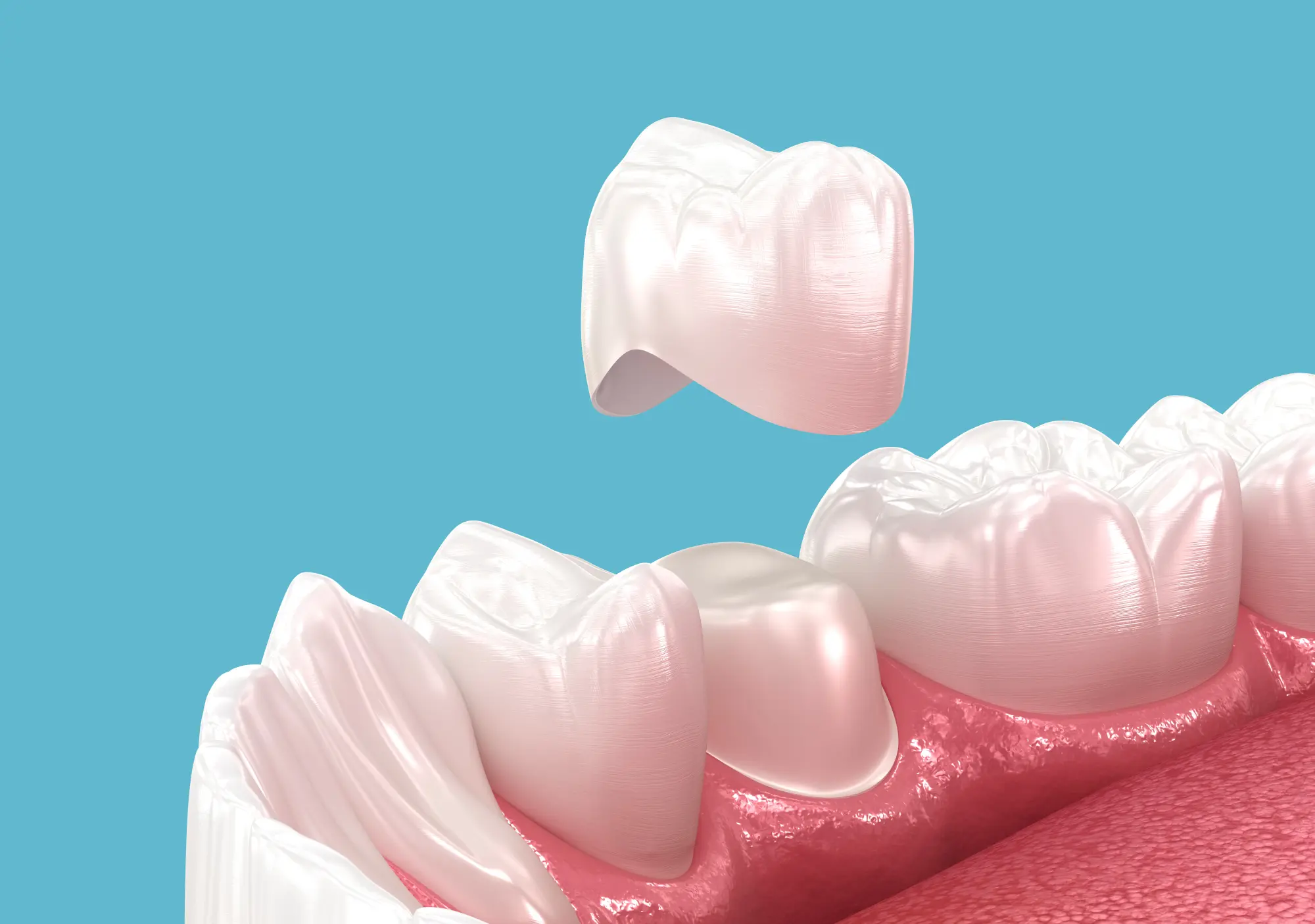
Crown material guide: Ceramic crowns for your Windsor smile
Can Periodontal Disease Be Reversed, or Only Managed? Find Out How to Restore Your Oral Health
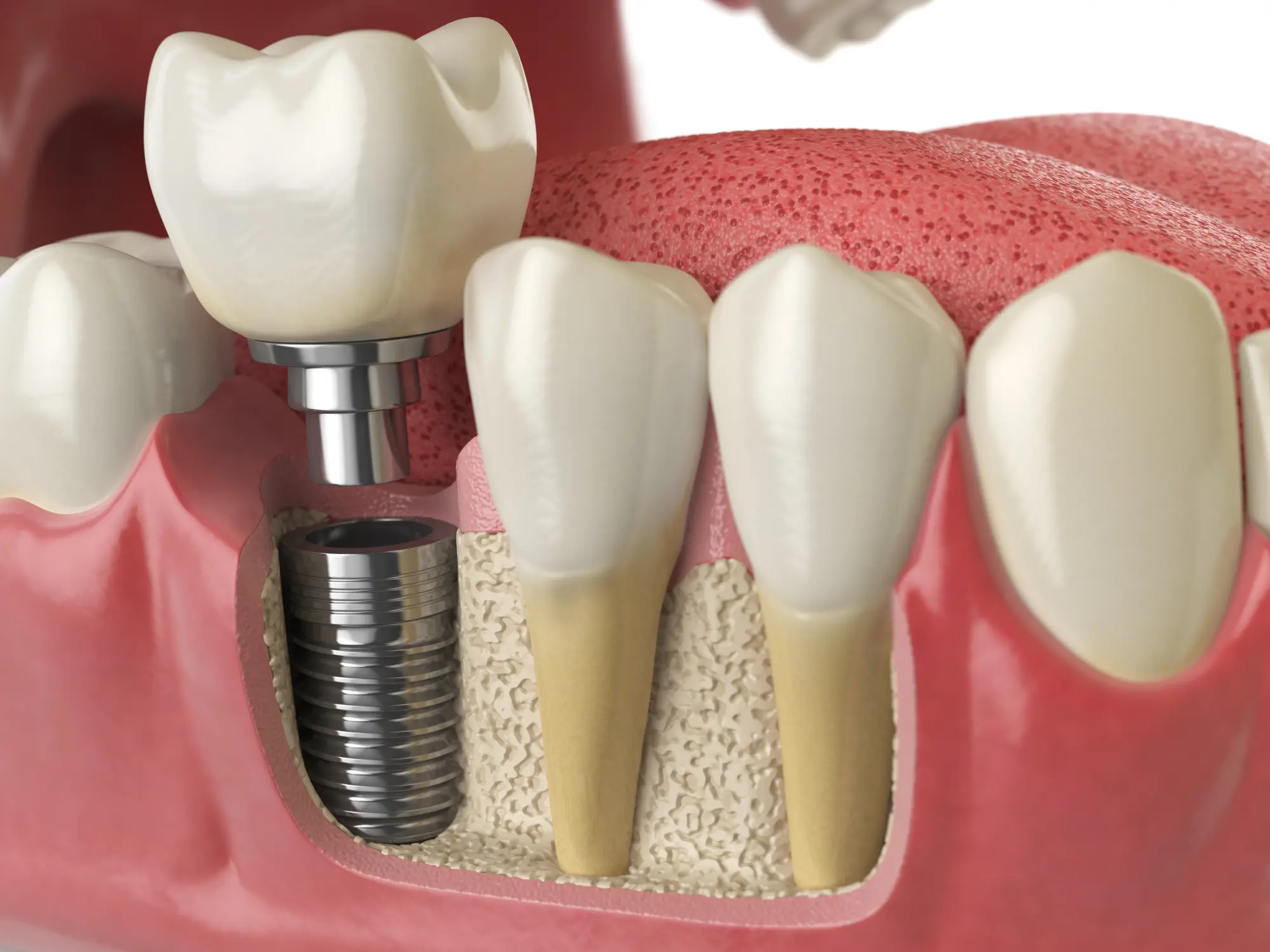
Rooted in Confidence: Why Dental Implants Are the Permanent Foundation Your Smile Deserves