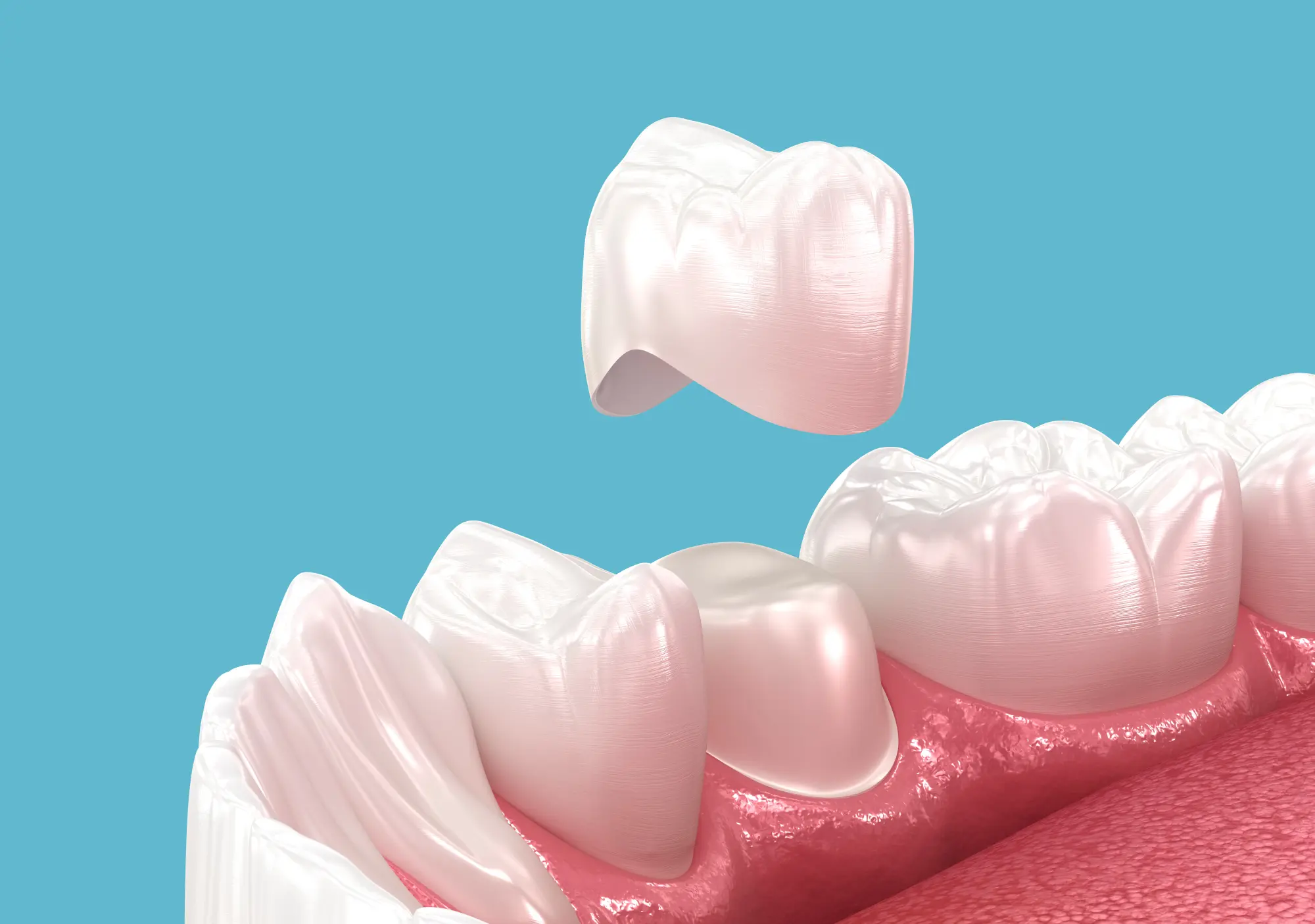
Crown material guide: Ceramic crowns for your Windsor smile
Author: Dr. Arielle Garfinkle
When a tooth needs a crown, one of the first questions patients often ask me is, “What will the crown be made of?” It is an important question because the material we choose can affect how your crown looks, how it functions, and how well it fits into your smile.
At The Smile Garden of East Windsor, we love using ceramic crowns because they give us a beautiful balance of strength and natural-looking results. We can also create many ceramic crowns right here in our Windsor dental office, which means you may be able to restore your tooth without wearing a temporary crown or waiting weeks for your final restoration.
However, no single crown material is perfect for every patient. My goal is always to evaluate your tooth, bite, available space, and personal goals before recommending the material that makes the most sense for you.
What is a ceramic dental crown?
A dental crown is a custom restoration that covers and protects a damaged or weakened tooth. You can think of it almost like a helmet for your tooth. It restores the tooth’s shape, reinforces its structure, and gives you a stable surface for biting and chewing.
Ceramic crowns are made from durable, tooth-colored dental materials. Unlike crowns that contain a metal base, ceramic crowns can reflect light in a way that looks much more like natural enamel. We can customize the shade, shape, thickness, and contours of the crown so it blends naturally with the teeth around it.
Ceramic crowns may be recommended for teeth that are:
- Cracked, chipped, or fractured
- Weakened by a large filling
- Severely worn down
- Significantly discolored or misshapen
- Treated with root canal therapy
- Affected by decay that cannot be repaired with a filling
Before recommending a crown, I will examine your tooth and take digital X-rays to understand exactly what is happening beneath the surface.
Why I often recommend ceramic crowns in Windsor, CO
I love using ceramic crowns because they offer several advantages within one restoration. They can look beautiful, withstand normal chewing forces, and help us preserve a tooth that might otherwise continue to break down.
Ceramic crowns look similar to natural teeth
One of the biggest benefits of ceramic crowns is their appearance. Because there is no dark metal layer beneath the ceramic, we can create a restoration that looks remarkably similar to a natural tooth.
We carefully select a shade that complements the surrounding teeth and design the crown to fit naturally within your smile. The goal is not for someone to notice that you have a crown. The goal is for your restored tooth to feel like it belongs there.
This can be especially important when we are restoring a tooth that is visible when you speak, laugh, or smile.
Ceramic crowns are designed for everyday strength
Ceramic crowns are not only about cosmetics. Modern ceramic materials can also be incredibly strong.
When designing your crown, we make sure the restoration has the correct thickness and shape to support your bite. This helps it withstand the forces created when you chew foods that are crunchy, firm, or dense.
Your bite is unique, so we do not use the exact same design for every patient. We look at how your upper and lower teeth come together, where you place the most pressure, and whether you have habits such as clenching or grinding. That information helps us create a crown that is both attractive and functional.
Ceramic materials can provide better visibility on X-rays
Another reason we appreciate certain ceramic crown materials is the visibility they can provide when we take dental X-rays.
Metal crowns and porcelain-fused-to-metal crowns can block our view of portions of the tooth beneath the restoration. Some ceramic materials allow us to see more of the underlying tooth structure on an X-ray, making it easier to monitor the area for potential changes.
Crowns do not make teeth immune to cavities or gum disease. Being able to evaluate the tooth and the margins around the crown remains an important part of protecting your oral health over time.
What are same-day ceramic crowns?
At The Smile Garden, we have an in-office digital scanner and milling technology that allow us to create many ceramic crowns during a single appointment.
Instead of taking a traditional impression and sending it to a dental laboratory, we digitally scan your tooth. I then design your crown using specialized software, and our milling unit creates the restoration from a solid block of ceramic material.
Once the crown has been milled, we check its fit, appearance, and bite before securely placing it over your tooth.
For many patients, the biggest advantage is that you do not have to leave wearing a temporary crown. Temporary restorations can occasionally feel sensitive, loosen, or require dietary restrictions while you wait for the permanent crown. With a same-day ceramic crown, we can often prepare, design, create, and place your final restoration in one visit.
How do ceramic crowns compare with metal-based crowns?
Traditionally, many dental crowns were made from metal or porcelain fused to a metal base. These materials can still be useful in certain situations, but they have some differences compared with all-ceramic crowns.
Porcelain-fused-to-metal crowns contain a strong metal substructure covered by tooth-colored porcelain. Although they can look attractive, the underlying metal may affect how light passes through the restoration. In some cases, a dark line may eventually become visible near the gums.
Gold crowns are also extremely durable and can work well when there is limited room between the upper and lower teeth. Because gold can be made thinner than some ceramic materials, it may be a helpful option when we do not want to remove additional tooth structure to create space for a thicker restoration.
Ceramic crowns offer a metal-free alternative with excellent cosmetic potential, but the right choice depends on the individual tooth and your bite.
Is a ceramic crown right for every patient?
Ceramic crowns are a wonderful option for many people, but they are not automatically the best material for every tooth.
For example, some patients have very little space between their upper and lower teeth. In that situation, we may need a crown material that can remain strong even when it is made relatively thin. Gold may be a better option for that particular tooth.
We may also consider:
- The location of the tooth
- The amount of healthy tooth structure remaining
- Your chewing and grinding habits
- The available space within your bite
- The appearance of the surrounding teeth
- Whether the tooth has already received extensive treatment
- Your oral hygiene and overall health
While we can create many ceramic crowns in our office, we also work with several trusted dental laboratories. If another crown material or a more complex laboratory-made restoration would serve you better, we will explain why and help you understand your options.
How long do ceramic crowns last?
Patients often ask me exactly how long their new crown will last. A commonly discussed estimate is around 10 years, but there is no precise expiration date.
Some crowns last much longer, while others may need to be repaired or replaced sooner. Their longevity depends on several factors, including your oral hygiene, bite, diet, dental habits, and the health of the tooth supporting the crown.
Remember that your crown is working every day. Each time you bite and chew, the restoration is exposed to pressure. If you grind your teeth, chew ice, bite your nails, or use your teeth to open packages, you may place additional stress on the crown.
The tooth underneath the crown also remains vulnerable to cavities, and the gums surrounding it can still develop periodontal disease. That is why ongoing preventive care is so important.
How to care for your ceramic crown
Caring for a ceramic crown is very similar to caring for a natural tooth. I recommend:
- Brushing twice a day with a soft-bristled toothbrush
- Flossing carefully around the crown every day
- Attending your recommended dental cleanings and exams
- Avoiding chewing ice or using your teeth as tools
- Wearing a nightguard if you clench or grind your teeth
- Letting us know if your crown feels loose or your bite feels uneven
During your routine visits, we will examine the crown, evaluate the surrounding gums, and use X-rays when appropriate to monitor the tooth underneath it.
Consistent home care and professional dental visits give your crown the best opportunity to remain healthy and functional for years.
How do I know if I need a dental crown?
A tooth that needs a crown does not always hurt. You may have a crack, weakened filling, or area of decay without experiencing obvious symptoms.
You should schedule an evaluation if you notice:
- Pain when biting or chewing
- Sensitivity to hot or cold temperatures
- A cracked or broken tooth
- A large or damaged filling
- A rough or sharp area on a tooth
- A visible change in the shape or color of a tooth
- A crown that feels loose or uncomfortable
The sooner we assess the tooth, the more options we may have for preserving it. Waiting until the tooth breaks further can make treatment more complicated.
Find the right crown material for your Windsor smile
Choosing a dental crown is not simply a matter of selecting the material that is considered the strongest or the most attractive. It is about finding the material that works best for your specific tooth, bite, and smile.
At The Smile Garden of East Windsor, we will take digital X-rays, examine your tooth, talk through your options, and explain why we recommend a particular material. When ceramic is the right choice, our in-office technology may allow us to complete your crown in one convenient visit without a temporary restoration.
If you think you may need a dental crown in Windsor, CO, call or text us at (970) 460-8725 to schedule an exam. We would love to help you restore your tooth with a crown designed around your health, comfort, and smile.
Related Posts
Crown material guide: Ceramic crowns for your Windsor smile
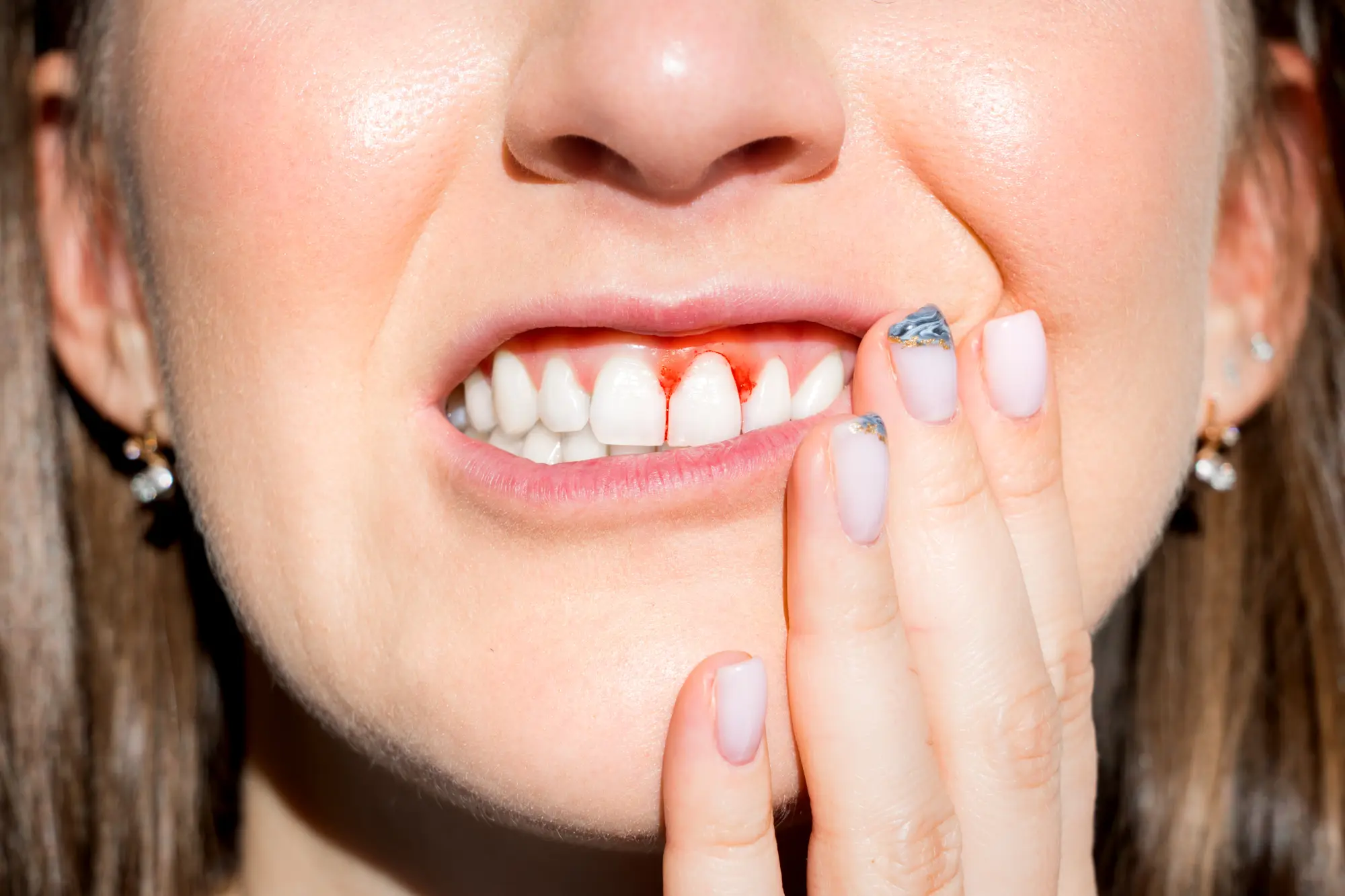
Can Periodontal Disease Be Reversed, or Only Managed? Find Out How to Restore Your Oral Health
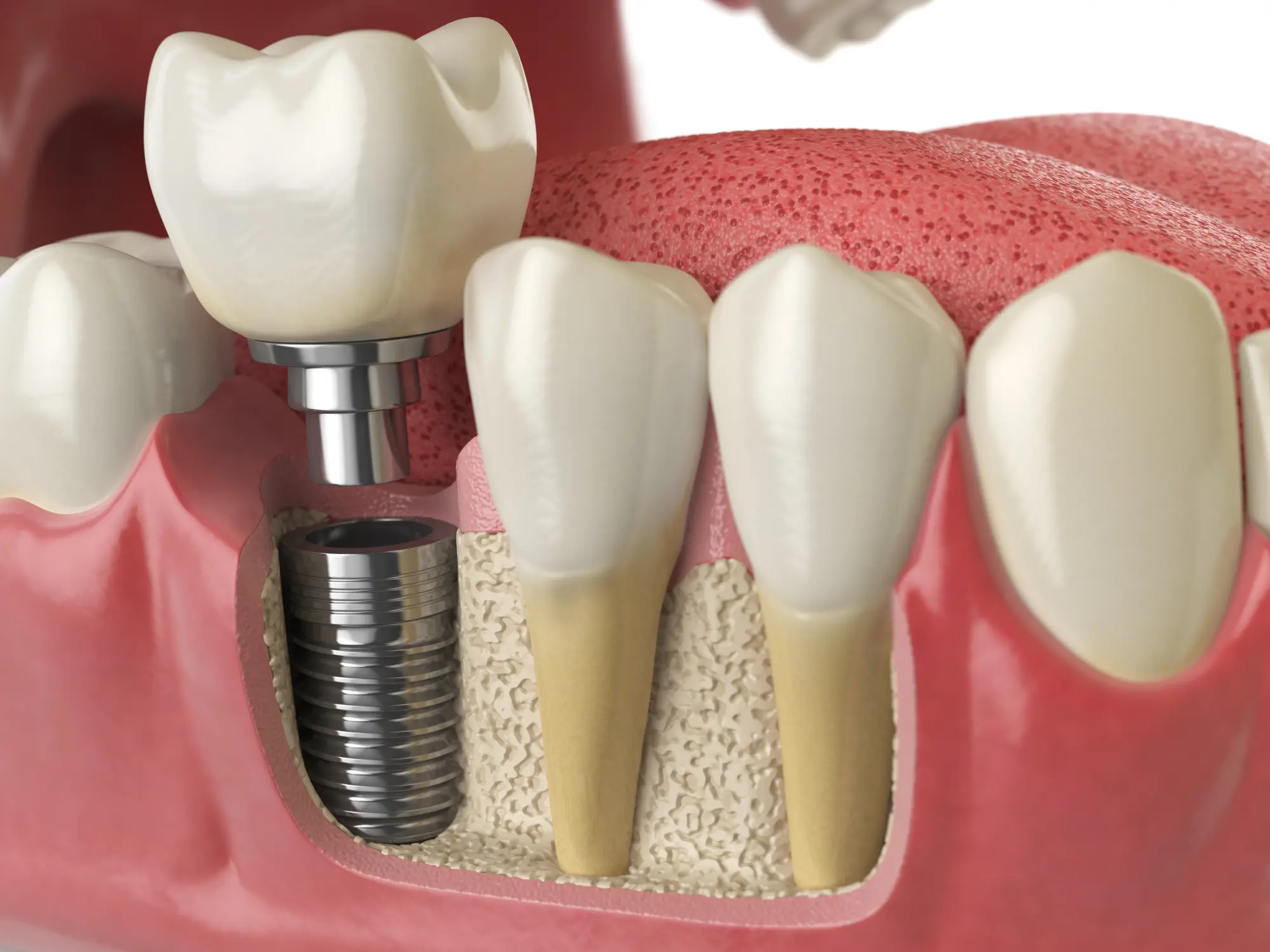
Rooted in Confidence: Why Dental Implants Are the Permanent Foundation Your Smile Deserves